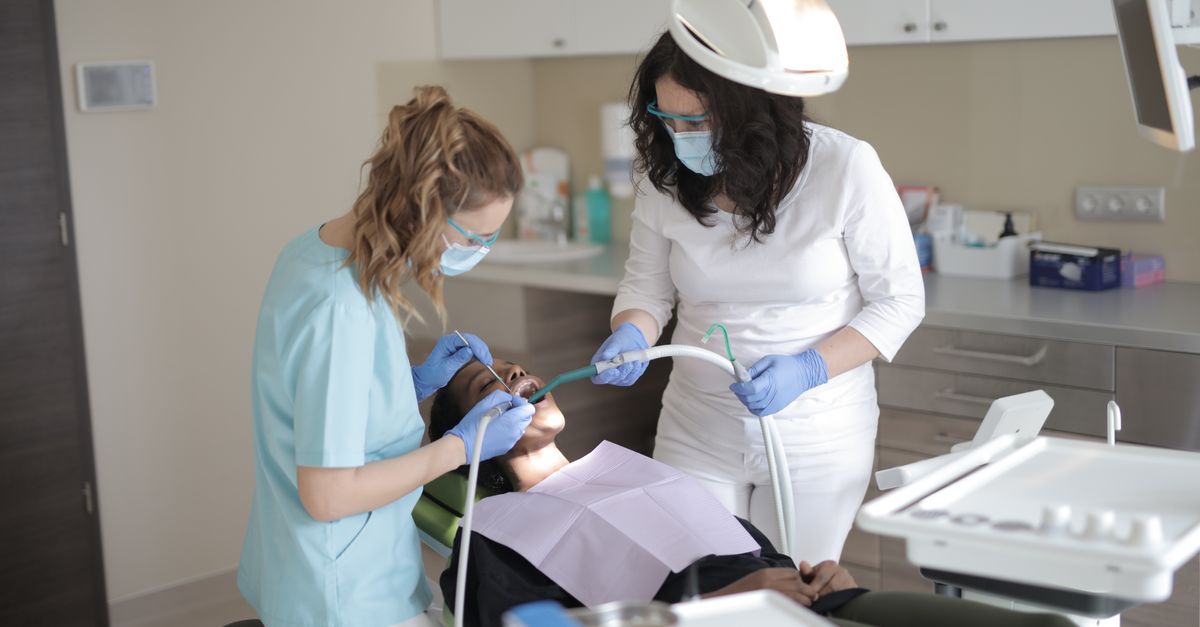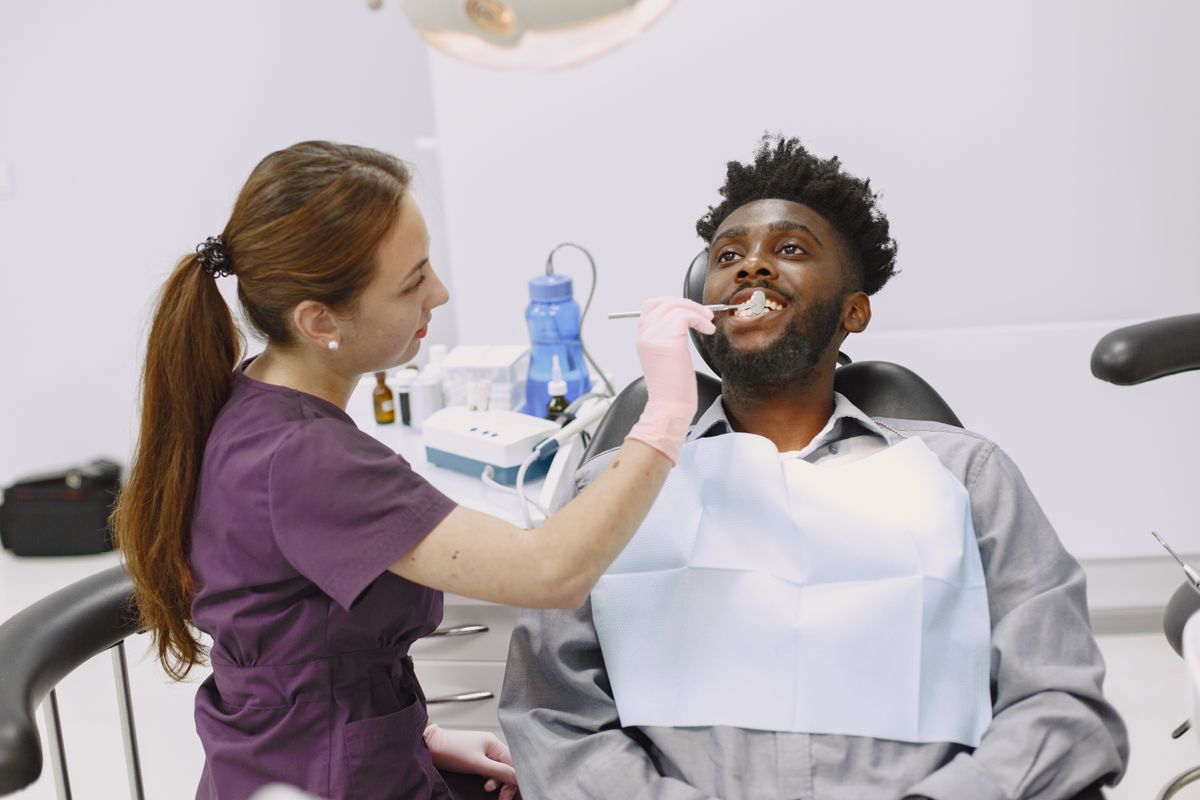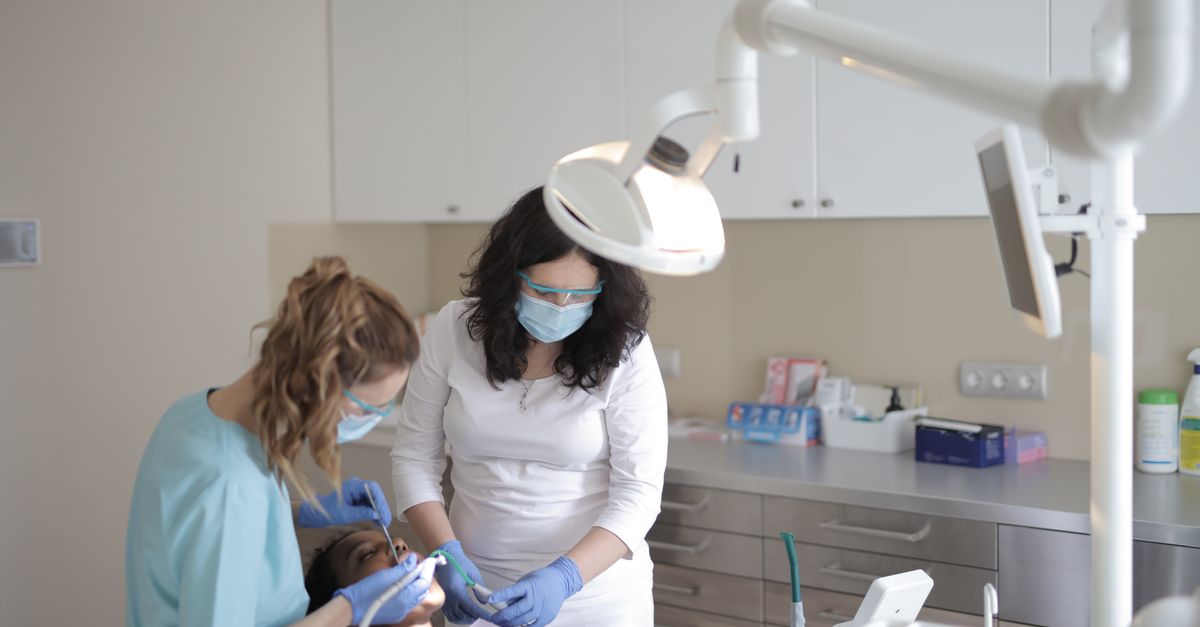



A dental preparation assistant in Germany, called a Vorbereitungsassistent, is a dentist completing the preparation period for statutory-insurance registration. You normally need Approbation, the full dental licence, first, and the practice that hires you needs approval to employ you in that role. The period lasts at least two years, unless you qualify for an exemption or get approved credit for time you've already worked.
Who needs the Vorbereitungszeit in Germany?
You normally need the Vorbereitungszeit, the preparation period, to get onto the dentist register for statutory-insurance work. Your regional KZV, the association of statutory-insurance dentists, runs that register. The rule concerns registration, so you can treat statutory-insurance patients during an approved preparation-assistant job.
If you only treat private patients, the registration rule doesn't apply to you, though you still need your professional authorisation just to practise at all. Keep in mind a privately owned practice can still treat statutory-insurance patients too, so always ask what the job actually involves before you assume. Our recognition guide for foreign dentists walks through getting the dental licence itself.
The exemption is for dentists with an EU/EEA or qualifying treaty-state training certificate that's recognised under the relevant European rules, and who are already authorised to practise. Having a third-country diploma recognised somewhere else in Europe doesn't automatically give you this exemption. Ask your KZV to confirm whether your qualification actually meets the conditions.
How long is the dental preparation period, and what counts?
The minimum is two years. At least six months of that has to be as an assistant or substitute for one or more Kassenzahnärzte, dentists who are authorised for statutory-insurance care. Substitute work only counts once you've already done at least one year as an employed assistant with one of these dentists, or at another institution the regulation lists.
You can swap up to three months of that six-month requirement for equal time at a university dental clinic or a Bundeswehr dental station. That just changes where you do part of it; the overall two-year minimum stays the same.
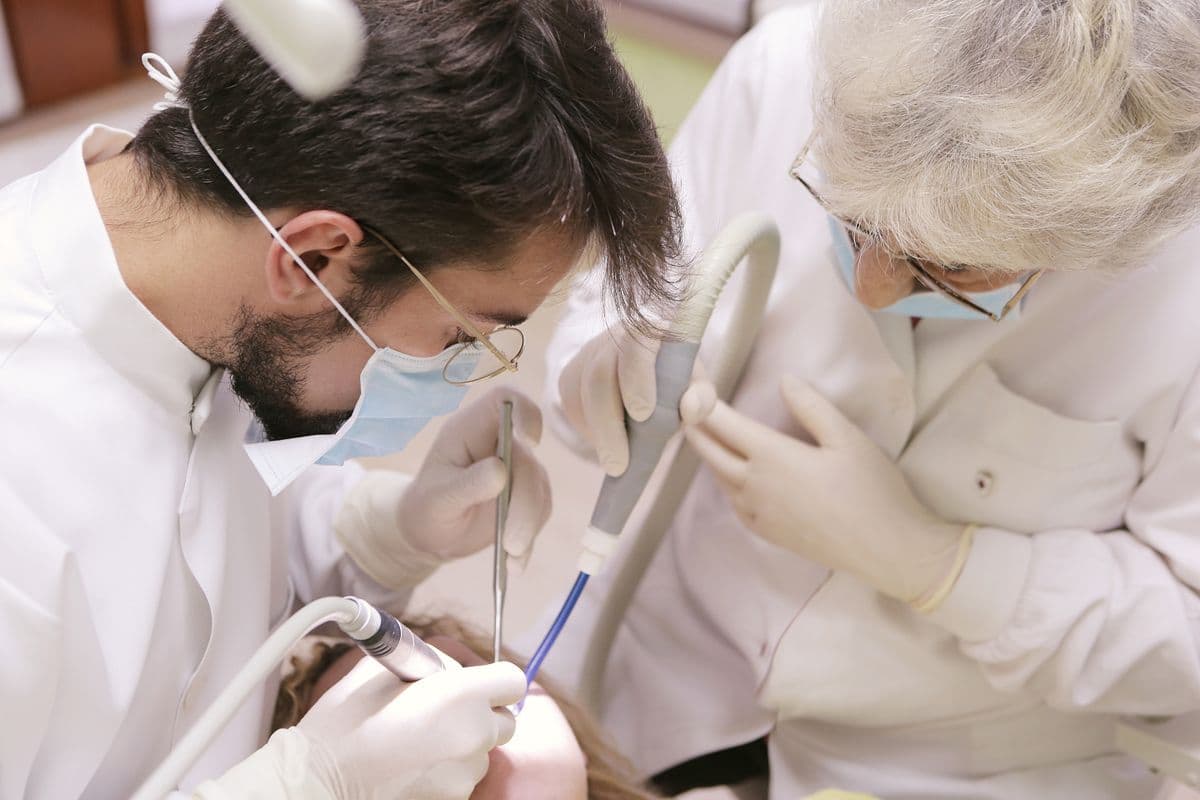
There's a limited swap for part of the six-month rule, but the total minimum is still two years.
For the rest of the time, the regulation lists employed work at university dental clinics, hospital or public-health dental units, Bundeswehr dental stations and dental clinics. It doesn't say any ordinary practice job automatically counts. Periods shorter than three weeks don't count, and neither does time worked while you're also running your own practice.
Before you accept a post, ask your KZV how it will credit that specific arrangement. This matters most if you're planning to combine different workplaces, or you already have periods you want recognised.
Does foreign dental experience count towards Vorbereitungszeit?
Foreign work can be assessed for credit, but you need a decision from your regional KZV. Send them the details: the institution, your employment, dates and duties, and ask what evidence they need. Do this before you count on that time to shorten your German preparation period.
Hamburg, for example, assesses foreign activity case by case and doesn't give credit for work in ordinary practices or Praxiskliniken abroad. That's Hamburg's published approach specifically, not a nationwide rule you can assume applies to your own experience.
Does work under a Berufserlaubnis count?
Don't assume work under a temporary permit counts towards your preparation period. Hamburg gives no credit at all for Berufserlaubnis employment, and only approves you as a Vorbereitungsassistent after you have Approbation. Bavaria's KZV goes further and excludes temporary-permit holders from statutory-insurance dental employment entirely.
Check the rule with the KZV where you plan to work. If you still need the knowledge exam for Approbation, our Kenntnisprüfung guide for dentists covers that earlier step.
Who approves a Vorbereitungsassistent job?
The statutory-insurance dentist hiring you needs KZV approval to employ you as a preparation assistant. Ask the practice who's applying for that approval and when it takes effect. Get this clear before you count on the job towards your required time.
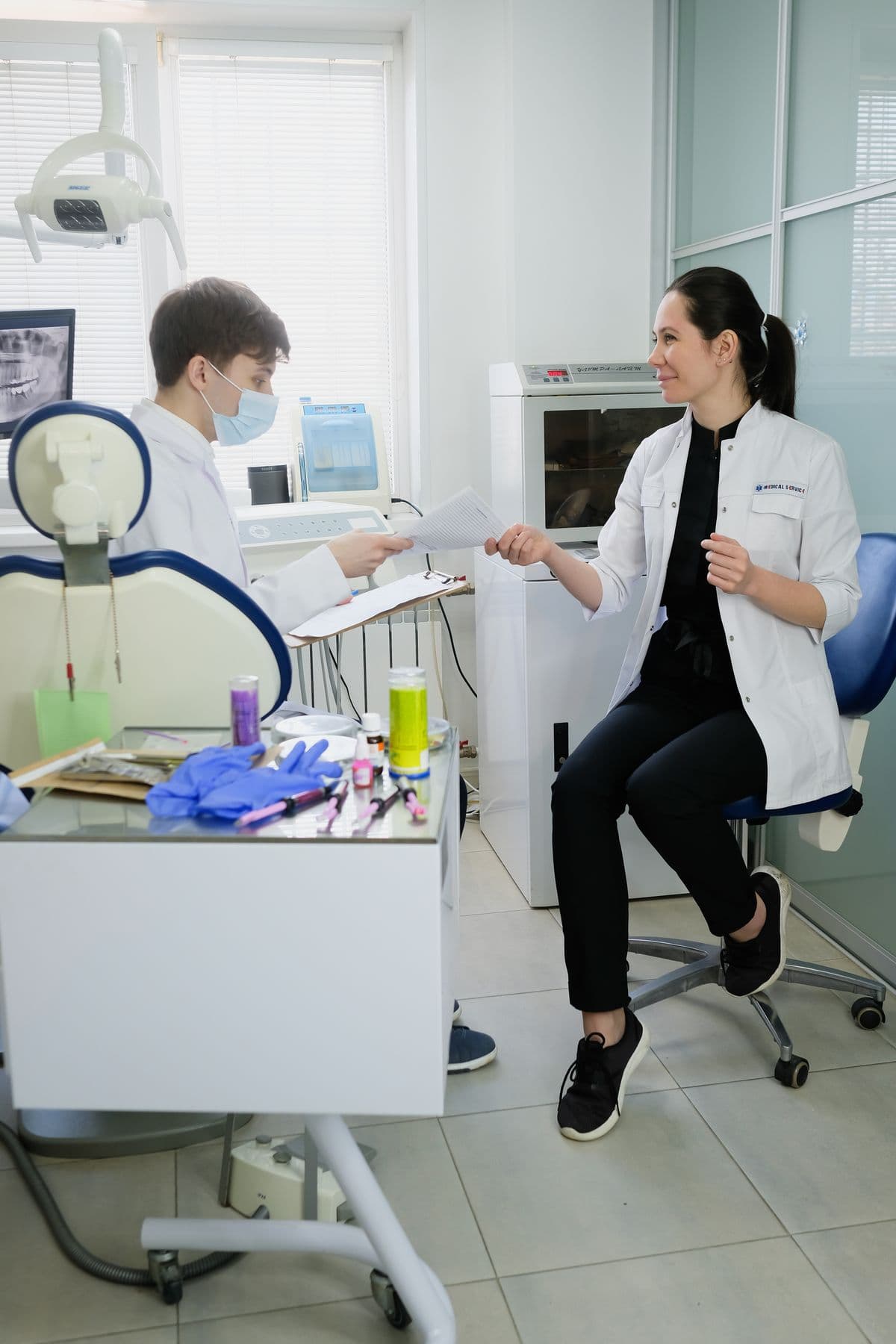
Confirm that the employer has KZV approval and check the credited start date before counting your preparation time.
Where can you find Vorbereitungsassistent vacancies?
Search for Vorbereitungsassistent or Vorbereitungsassistentin on dental chamber job boards and the Federal Employment Agency's Jobsuche. Our dentist jobs guide links to those boards and explains what to put in your application. Tell the practice upfront whether you already have Approbation, and whether you are asking the KZV to credit earlier work.
In the interview, ask who will supervise your work and how the practice plans to handle the approval. The dentists hub can help you connect this job search with your wider recognition steps.
What salary does a Vorbereitungsassistent earn?
Pay in private practice is negotiated individually. BLZK's guidance says there's no collective pay agreement for preparation assistants, and we don't have a verified national salary figure for this role. Ask for the guaranteed gross pay, weekly hours and any variable-pay conditions in writing, not just verbally.
Our dentist salary guide covers the broader employee figures and hospital pay tables. Those numbers mix in other roles and experience levels, though, so they won't tell you what a preparation-assistant offer should actually pay.
Get a personal offer for your next step
Tell us where you are on your way to working in Germany. We will get back to you with a personal offer, by WhatsApp or email.
What is a dental preparation assistant in Germany?
It's a dentist working through the preparation period required for statutory-insurance dentist registration. In an approved assistant role, you can treat statutory-insurance patients while you complete that period. It's separate from getting Approbation itself.
Do I need Vorbereitungszeit for a private dental practice?
If you only treat private patients, the registration requirement doesn't apply to you. But a privately owned practice can still treat statutory-insurance patients, so who owns it doesn't settle the question on its own. Ask the practice and your KZV exactly which registration or assistant approval your job needs.
How long does Vorbereitungszeit take?
The minimum is two years, unless an exemption or approved credit applies to you. At least six months of that has to meet the statutory-insurance practice requirement. Up to three months of those six can be replaced by equal time at a university dental clinic or Bundeswehr dental station. Ask your KZV how it will credit the work you're planning.
Does dental work abroad count?
Your regional KZV must assess it. Hamburg, for example, doesn't credit ordinary practice or Praxisklinik work done abroad. Get a decision before you assume your previous work shortens the period.