

The Fachsprachprüfung for dentists checks whether you can talk safely with patients and colleagues in German and write up dental documentation. It commonly tests professional language at C1 level, with both spoken and written parts. Your licensing office decides whether you need to take it, or whether you can show your German another accepted way.
Do all foreign dentists need the Fachsprachprüfung?
You have to show the German skills dental practice needs, but the law doesn't prescribe one identical FSP for every applicant. States set the details themselves, based on the health ministers' 2014 C1 framework. Where you trained alone doesn't decide whether you need the test.
Baden-Württemberg, for example, accepts specified proof such as German-language dental training and can also accept other suitable evidence. RP Stuttgart is the one who decides whether you need an FSP. Ask your licensing office what counts before you pay for an exam or a course.
How much does the dental FSP cost by state?
The verified examples below have different fees and entry paperwork. Nordrhein is a chamber jurisdiction within North Rhine-Westphalia, so its rules only cover part of the state, not all of it.
- Niedersachsen: Published fee: €580 advance, only when NiZzA asks you to pay; Format: Three 20-minute parts
- Rheinland-Pfalz: Published fee: €450; Format: About 60 minutes, including terminology tasks
- Brandenburg: Published fee: €470, due with summons; Format: Three 20-minute parts
- Nordrhein: Published fee: €450; Format: Three 20-minute parts
- Baden-Württemberg: Published fee: €450, before invitation; Format: Three 20-minute parts
- Bavaria: Published fee: Confirm total; FAQ lists €476 and rule versions differ; Format: Normally three equal parts over 60 minutes; up to 15 minutes' preparation
In Niedersachsen, NiZzA refers you to the dental chamber. In Brandenburg, you register through LAVG. In Rheinland-Pfalz and Nordrhein, the dental chambers run the test themselves. In Bavaria, BLZK delegates the test to eazf.
In Baden-Württemberg, RP Stuttgart decides if you need the exam and sends you to LZK BW, the dental chamber. It runs the test together with Bezirksärztekammer Nord-Württemberg, and two examiners assess you, at least one of them a dentist.
In Niedersachsen, NiZzA checks your file and asks for payment; once you have paid, it registers you and then you get an invitation. Baden-Württemberg also asks for payment before sending the invitation. This matters if you're planning travel: wait for the actual appointment, and don't treat a payment request as your test date.
How many times can you retake the dentist FSP?
You can retake it as many times as you need in Niedersachsen and Rheinland-Pfalz, though Rheinland-Pfalz’s published instructions place the earliest retake six months after the initial exam. Bavaria also allows unlimited repeats of the whole test, but you can't re-register sooner than two months after your last attempt. If you fail in Niedersachsen, Brandenburg or Baden-Württemberg, you repeat the whole test, not just the part you missed.
Ask your chamber for the next available appointment and the repeat fee before you book travel. The minimum interval in a rule won't tell you how long the real wait actually is.
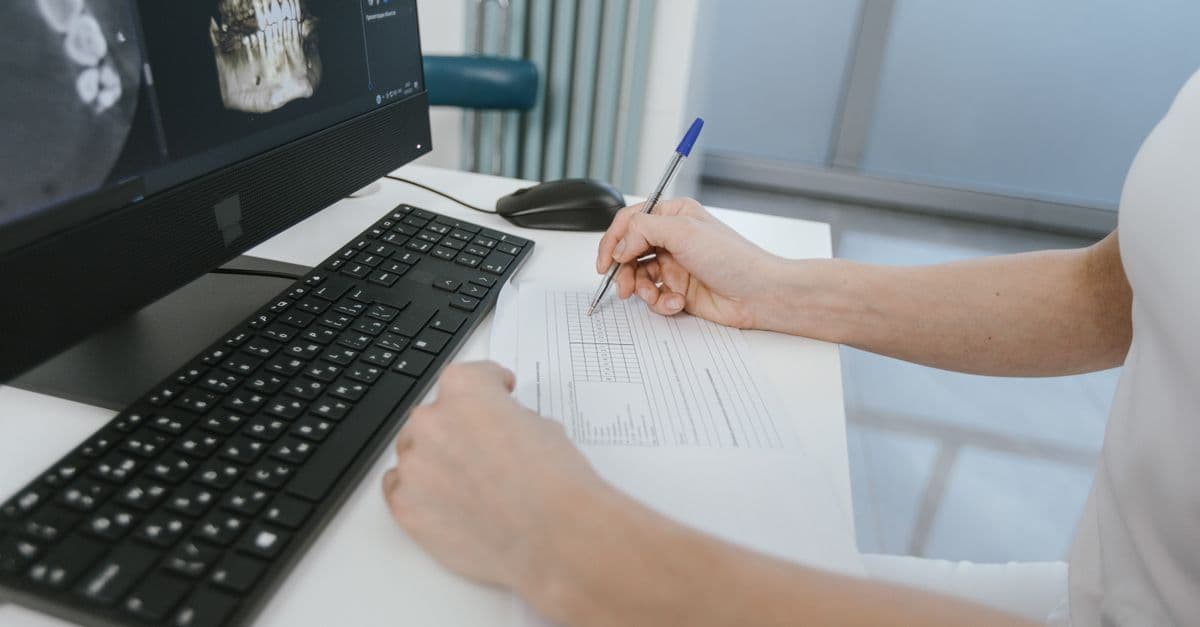
Written case documentation is part of the dental language exam.
Is the dental FSP the same as the doctors' exam?
No. Prepare for dental communication, and follow your own dental chamber's instructions. A guide written for physicians covers a different profession; its clinical examples and admin details won't tell you what your dental exam needs. Both professions use a C1 professional-language framework, but you still need the rules for your own exam, not someone else's.
In Baden-Württemberg, the dental chamber works with a medical chamber to run the test, but that doesn't make it the physicians' exam. Check who registers you, what documents they want, and which fee applies to dentistry.

Practise explaining a dental case in everyday language and then presenting it to a colleague.
What happens in the dental Fachsprachprüfung?
One common format is three 20-minute sections. Always follow your own chamber's instructions first, especially where they list extra terminology tasks. The examples below are for practice; they don't predict the questions you'll get:
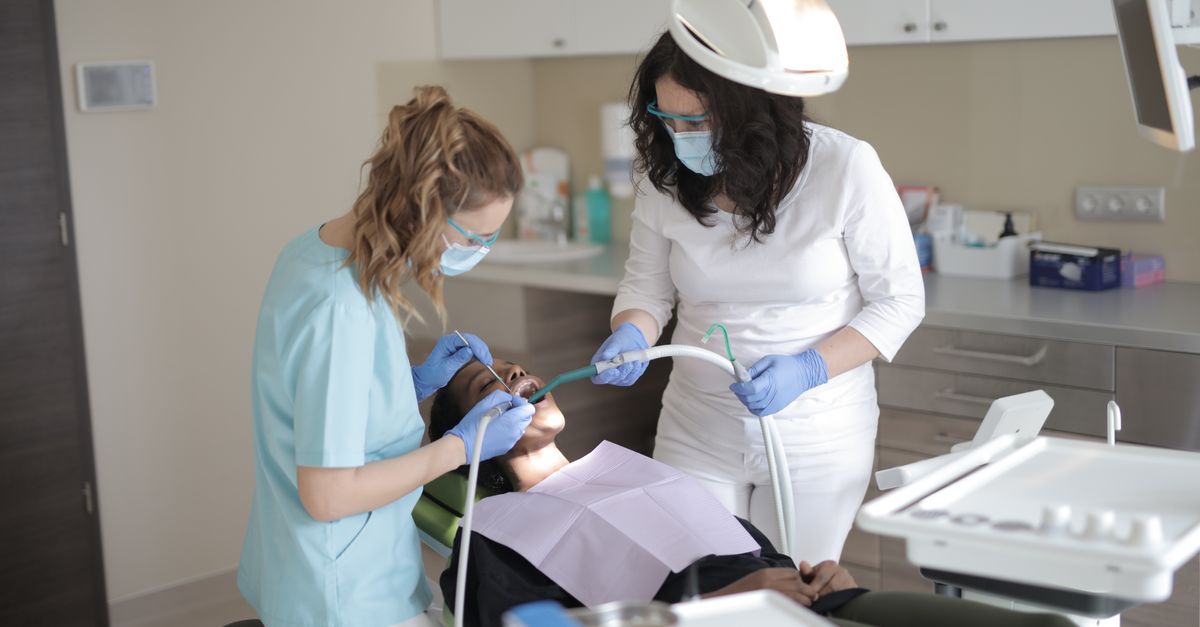
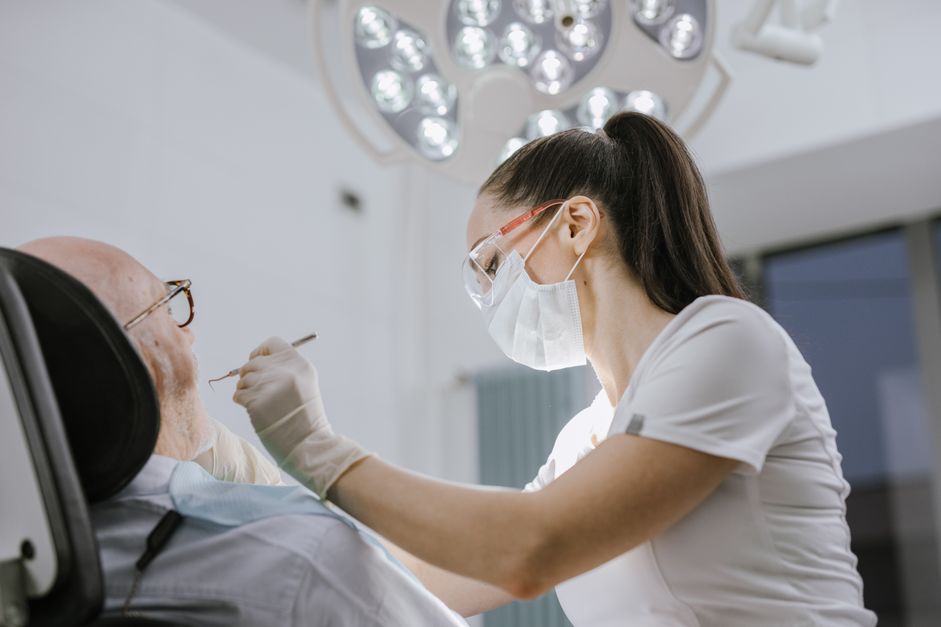
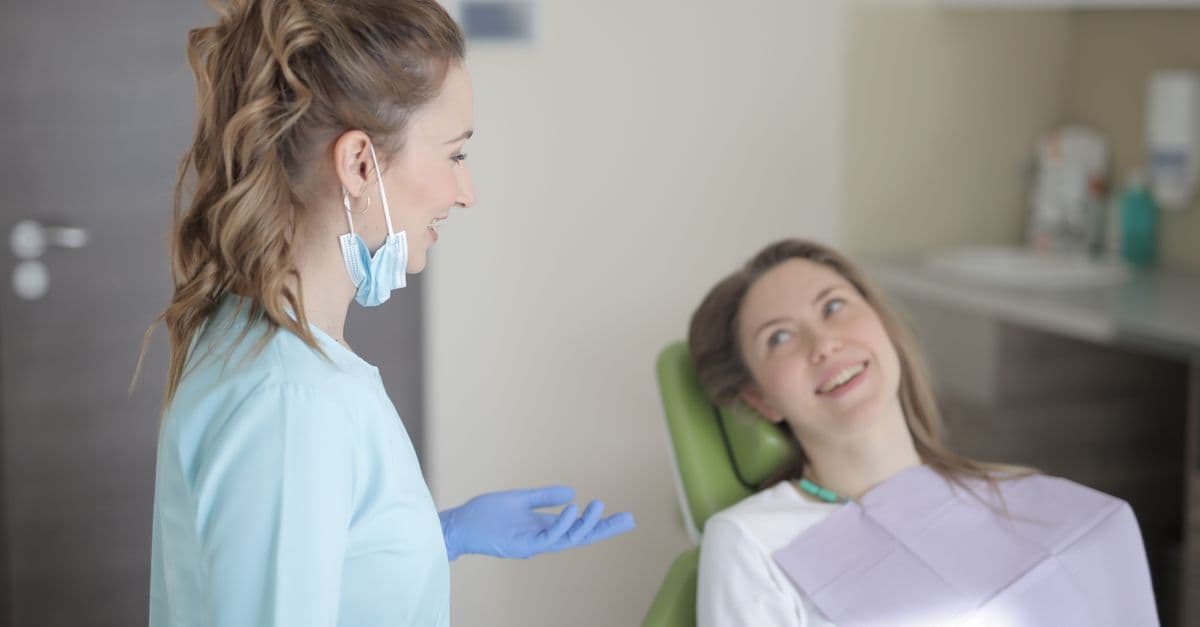
- Patient conversation: you ask about a painful tooth, past treatment and relevant history, then explain what you found and the treatment options in words the patient can follow.
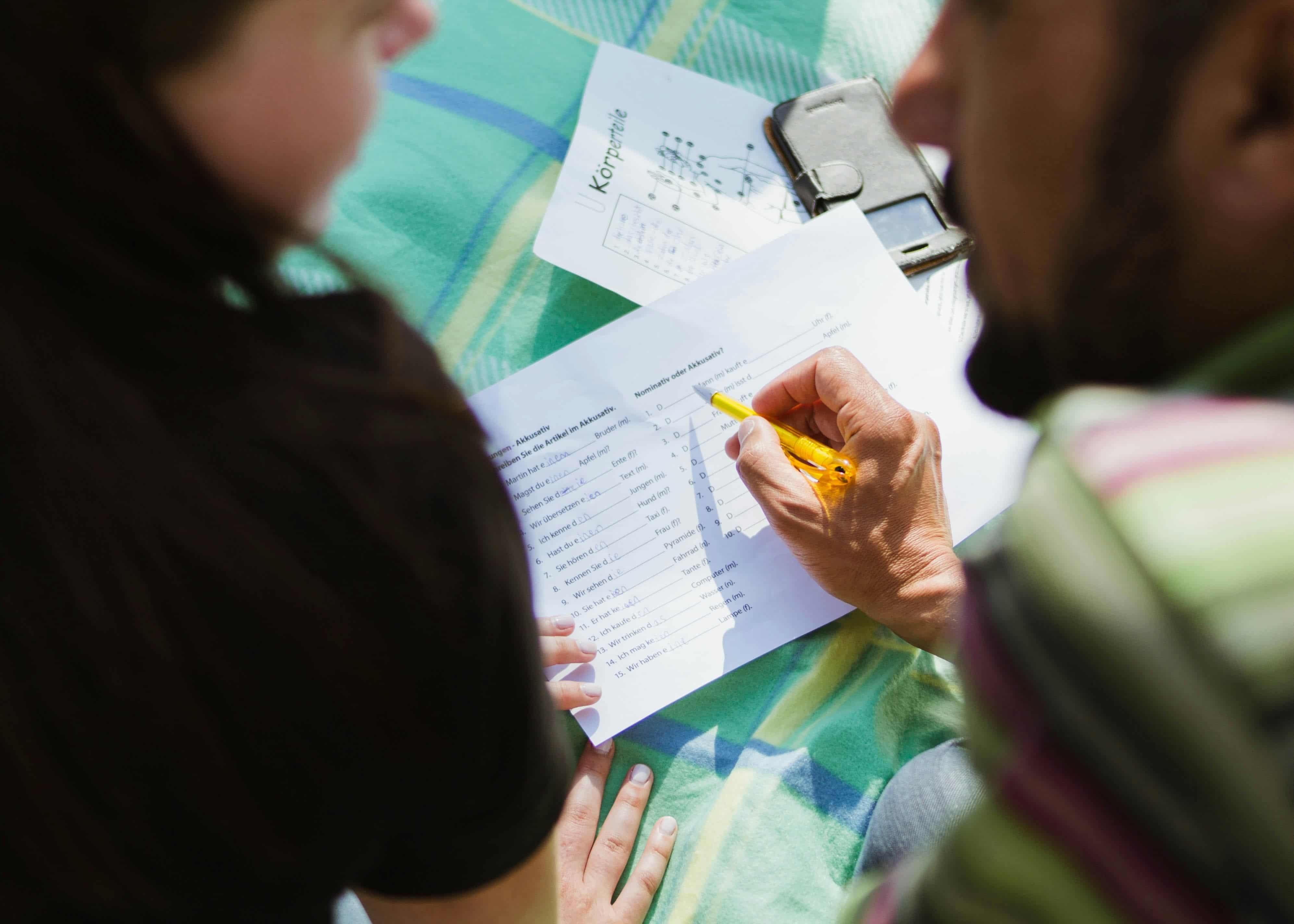
- Written documentation: you take the case information and fill in the required note or form. Practise writing clear dental terms and laying out the history and findings so they're easy to follow.
- Colleague conversation: you present the case to another dentist, explain your assessment and talk through the planned treatment using professional vocabulary.
The FSP tests your language, not your dental knowledge: Niedersachsen and Nordrhein say so explicitly. You'll still need dental content to explain a case clearly, so practise full conversations, not just vocabulary.
How should you prepare for the dental FSP?
Start with the instructions from the chamber that will examine you. Check if you need a certificate before you register: Rheinland-Pfalz asks for C1, Brandenburg for at least B2, while Bavaria doesn't require a separate B2 test certificate at all. A general B2 German exam and the dental FSP serve different purposes.
Practise a full case from start to finish: talk with a simulated patient, write up the documentation, then present it to a colleague. Ask a practice partner to flag anything unclear or missing. Use the timings and forms your chamber publishes, so you're rehearsing the real tasks you'll face, not guessing at them.
What comes after the dental FSP?
Passing the FSP ticks off one part of your licence requirements, but it doesn't let you treat patients on its own. Our recognition guide for foreign dentists walks through the wider application, and the Kenntnisprüfung guide for dentists covers the separate knowledge exam.
If you want to register for statutory-insurance work, check the dental preparation period and exemptions. Use our dentist jobs guide when you're talking start dates with employers, or head to the dentists hub to work through your next steps.
Get a personal offer for your next step
Tell us where you are on your way to working in Germany. We will get back to you with a personal offer, by WhatsApp or email.
What is the Fachsprachprüfung for dentists?
It's a professional German-language test used in dental licensing. It covers how you talk with patients and colleagues, and how you write dental documentation. Your licensing office decides whether you need it or already have other acceptable language evidence.
How much does the dentist FSP cost?
The verified published fees are €580 in Niedersachsen, €470 in Brandenburg, and €450 in Rheinland-Pfalz, Nordrhein and Baden-Württemberg. Bavaria's published figures don't agree with each other, so ask for the current payable total. These are jurisdiction-specific examples, not a national price.
What is the dental FSP format in Baden-Württemberg?
It's a patient conversation, written case documentation and a colleague conversation, each lasting 20 minutes. Two examiners assess you, at least one of them a dentist. RP Stuttgart decides whether you need the test and refers you to the dental chamber.
Does the dental FSP test clinical knowledge?
No, it tests your professional language. Niedersachsen and Nordrhein say explicitly that they don't test dental knowledge. You still need to explain dental information clearly, so prepare to discuss cases in both patient-friendly and professional vocabulary.