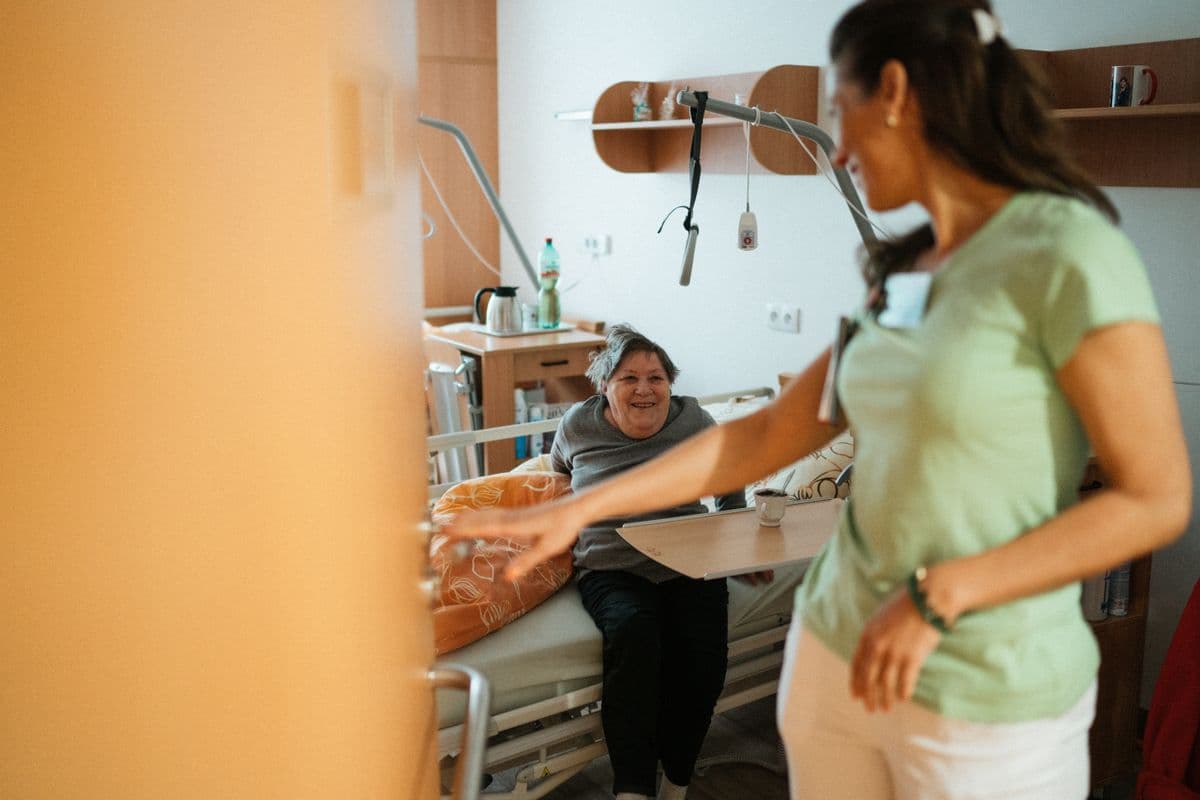
Nursing assistant Ausbildung in Germany usually takes one to two years, with different rules in each of the 16 states. From 1 January 2027, the federal Pflegefachassistenz training replaces these programmes and takes around 18 months. It prepares you for all care settings. Today's titles include Pflegehelfer, Pflegeassistent and Krankenpflegehelfer, all names for nursing helpers or assistants.
Today's training: state-regulated, one to two years
Your title depends on the state where you train: Germany has no single nursing assistant qualification yet. State laws set titles such as:
- Pflegehelfer/in (nursing helper)
- Pflegeassistent/in (nursing assistant)
- Gesundheits- und Krankenpflegehelfer/in (helper in hospital nursing)
- Altenpflegehelfer/in (helper in elderly care)
Most programmes take one year, some up to two, and usually combine classes with supervised practice in a hospital or care home. The content and length depend on the state, as does whether the title is protected.
If you trained abroad, the office compares your qualification with that state's training. Where the title is protected, you need official permission to use it; elsewhere, you can work without a formal decision. Check your exact title and chosen state in the official Recognition Finder.
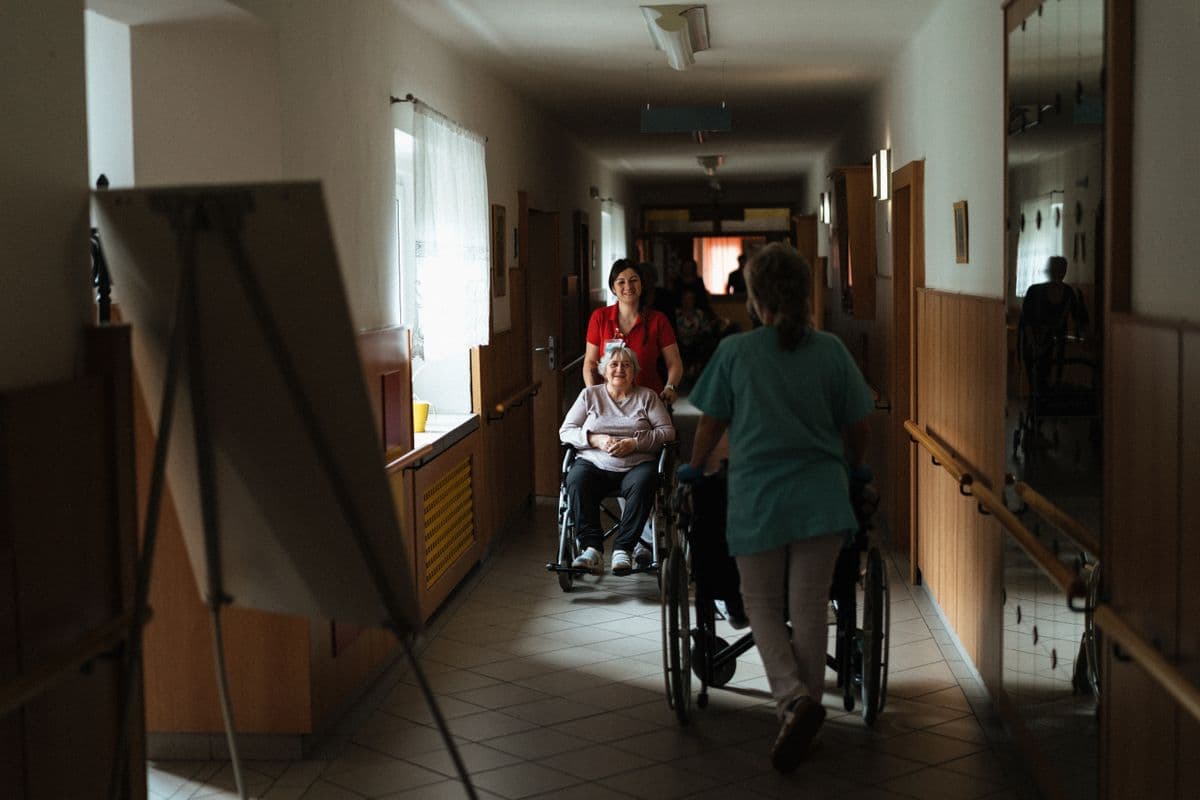
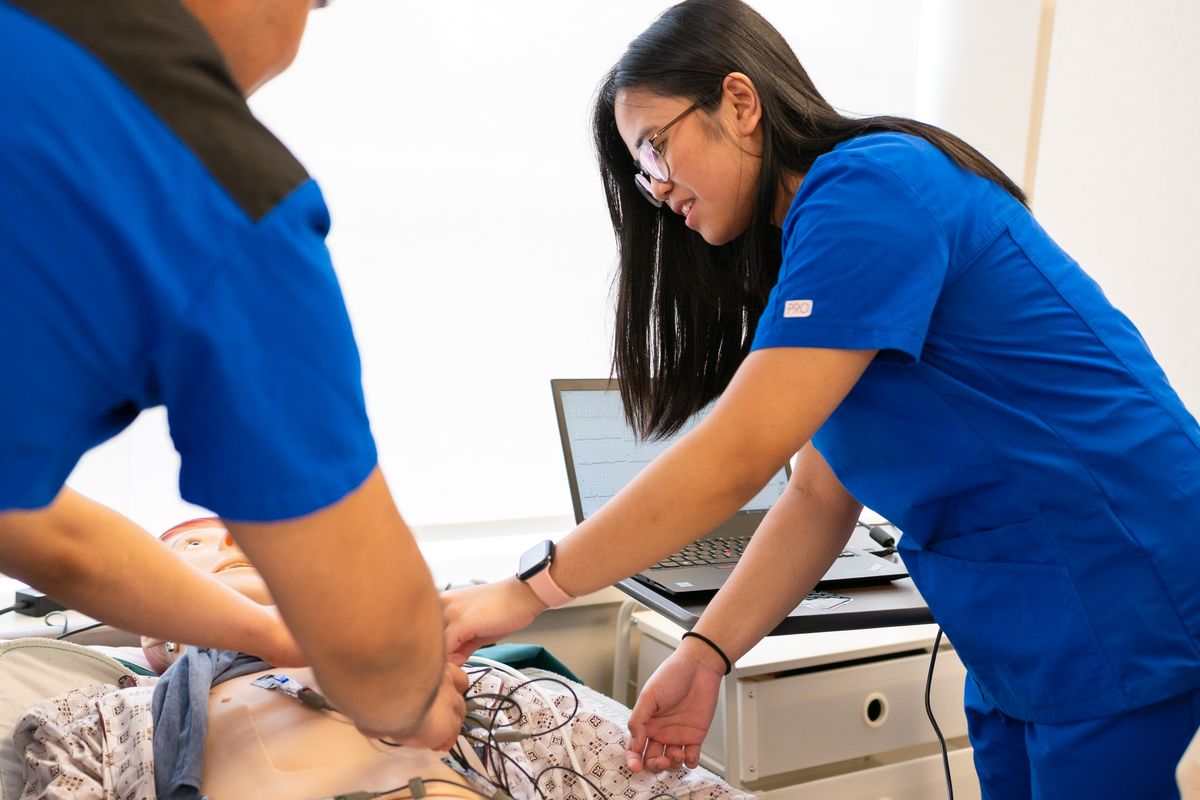
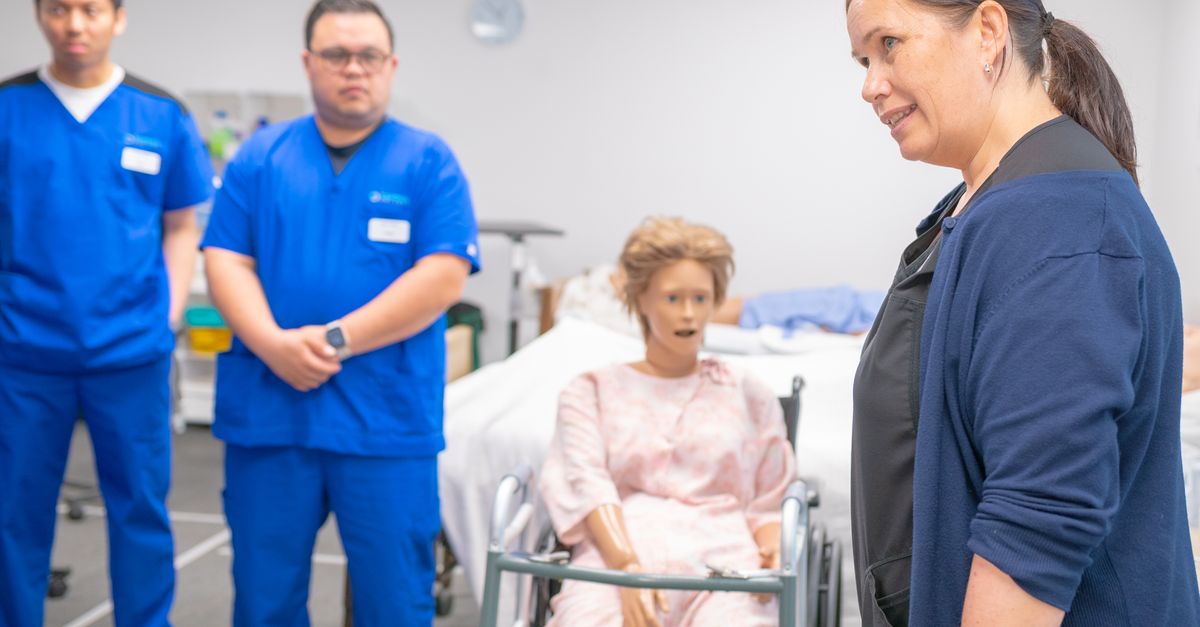
Today, most nursing assistant programmes combine classes with practice in a hospital or care home.
From 1 January 2027: Pflegefachassistenz
The Bundestag, Germany's parliament, passed the Nursing Assistant Training Act (PflFAssG) on 9 October 2025. It was then published in the official law gazette (see Sources). The law replaces roughly two dozen state helper and assistant programmes with:
- One protected federal title, Pflegefachassistent/in, recognised the same way in every state.
- One training programme covering hospitals, long-term care and care at home. It takes about 18 months full-time, with part-time and shorter options, especially if you have relevant work experience.
- One recognition procedure for foreign qualifications, replacing 16 separate state procedures.
- Transition rules for finishing training under state law. If you start by 31 December 2026, you must finish by 31 December 2029. If a state allows a new start during 2027, you must finish by 31 December 2030.
If you already have a foreign helper or assistant qualification, ask the recognition office in your chosen state which rules apply. They may check it under current state rules or the new federal ones, depending on the transition rules rather than your application date.
Requirements and the German level
For today's state training, you usually need a Hauptschulabschluss, the basic lower secondary school certificate, or an equivalent. Some states also accept you without a school certificate if the school thinks you can succeed.
There is no single law setting the German level for this training. Where states publish a level:
- Many of these states ask for upper-intermediate German (level B2).
- Bremen asks for intermediate German (level B1).
- A few states accept B1 for certain titles.
Ask your school and the state's recognition office what they expect: it depends on the state and title. If you plan to become a registered nurse later, the B2 route is clearer; see German level for nurses in Germany. If your school asks for B2, read how the German B2 exam works.
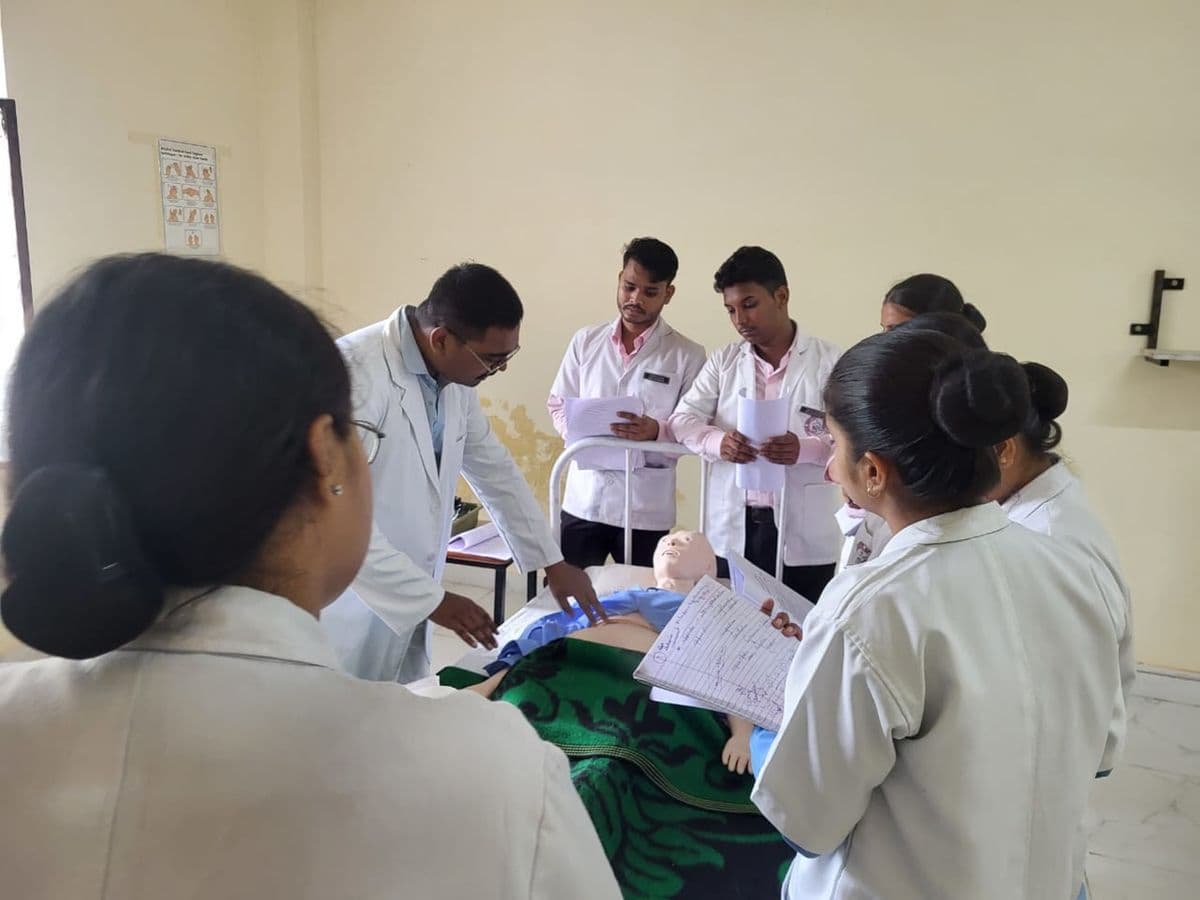
Schools set their own German level today, so ask before you apply.
The visa for vocational training
If you live outside the EU, EEA or Switzerland and want to come for this training, you need the residence permit for vocational training (see Sources). A work visa is for a different purpose. The training permit covers two types of training:
- In-company training (betriebliche Ausbildung). You train with an employer, usually with approval from the Federal Employment Agency (Bundesagentur für Arbeit), unless an exception applies. The rule on preparatory German courses covers qualified in-company training lasting at least two years. For shorter assistant training, ask the German mission which residence basis applies.
- School-based training (schulische Berufsausbildung). The programme must lead to a state-recognised qualification and must not mainly target people from one specific country.
With either type, you can also work up to 20 hours a week in a job unrelated to your training.
Whether you need German-language proof for this permit depends on your programme's length. The rule in § 16a(3) AufenthG applies only to “qualified” vocational training: at least two years under § 2(12a) AufenthG. Most one-year state programmes and the 18-month Pflegefachassistenz are shorter, so this federal rule does not apply to them.
If your state's programme lasts two years or more, the rule applies unless your school has already checked your German or a preparatory German course is meant to cover it. Otherwise, your school or state sets the level. From 2027, you need “the necessary German knowledge” for the Erlaubnis, permission to use the protected title. § 2 PflFAssG does not name a specific level.
How to become a nursing assistant in Germany
- Pick your title and state. “Nursing assistant” covers several German titles. Your chosen state sets the procedure and school rules until the 2027 federal training is fully in place.
- Check whether the title is regulated using the official Recognition Finder. If you already have a qualification, check whether you need a recognition decision or can have it assessed when starting German training from the beginning.
- Ask what German level you need. Check with your school or employer, as it varies today.
- Apply for the right residence permit. The vocational-training permit covers employer-based training approved by the Federal Employment Agency, or school training leading to a recognised qualification.
- Plan around 2027 if you start soon. If your training runs past 1 January 2027 or starts close to then, ask the school and state office which transition rules apply to your group.
Moving up to registered nurse
To become a registered nurse, you need separate three-year training for the protected title Pflegefachfrau or Pflegefachmann under the Nursing Professions Act (Pflegeberufegesetz). Read nurse Ausbildung in Germany for details. Part of the new 18-month Pflegefachassistenz training can shorten that training, though the health ministry has not confirmed how much. Assistant training alone gives you neither the nurse title nor permission to do nurses' reserved tasks; see how to become a nurse in Germany.
Next steps
Check the nursing assistants hub for recognition rules by state, and what nursing assistants earn in Germany for current TVöD pay grades under the public employers' pay agreement. For places to find work, read caregiver jobs in Germany. Our free personalised roadmap covers the assistant and nursing titles in this hub.
Get a personal offer for your next step
Tell us where you are on your way to working in Germany. We will get back to you with a personal offer, by WhatsApp or email.
How do I become a nursing assistant in Germany?
Choose your title and state, check whether the title is regulated, and ask your school what German level you need. Then apply for training and, if needed, the vocational-training residence permit. Each state sets the rules today; from 1 January 2027, the federal Pflegefachassistenz training takes over.
How long does nursing assistant training take?
Today it usually takes one year, sometimes up to two, depending on the state. From 1 January 2027, federal Pflegefachassistenz training takes about 18 months full-time, with part-time and shorter options.
What changes on 1 January 2027?
The Nursing Assistant Training Act (PflFAssG) replaces roughly two dozen state helper and assistant programmes with one federal title, training structure and recognition procedure. Transition rules cover training already started.
Which German level do I need?
There is no single federal level today: many states that publish one ask for B2. Bremen asks for B1, and a few states accept B1 for certain titles. Ask your school what it expects.
Which visa do I need to study nursing assistant training in Germany?
You need the residence permit for vocational training. It covers employer-based training approved by the Federal Employment Agency or school training leading to a recognised qualification. You can also work up to 20 hours a week in a side job.
Can I become a registered nurse after assistant training?
Not automatically. You need separate three-year training under the Nursing Professions Act for the title Pflegefachfrau/Pflegefachmann. Some assistant training may count toward it, so ask the nursing school.