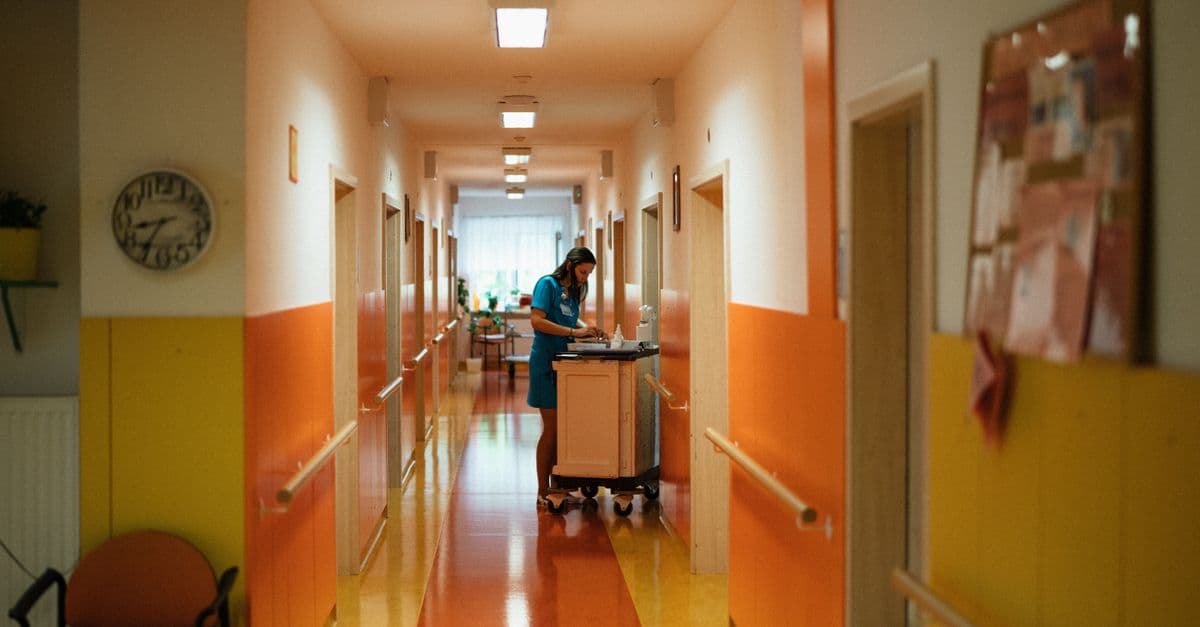
Nurse jobs in Germany are open to nurses trained abroad. German employers recruit from India, the Philippines and many other countries. Before you can work as a fully licensed nurse, two things must be done:
- your qualification is recognised
- you speak German at level B2 (upper-intermediate)
Since March 2024 you can start working in Germany while your recognition is still running. For this, your employer signs a "recognition partnership" with you. This is a written deal to finish your recognition while you work.
This guide explains who hires, which visa routes exist, where to search, and what a fair offer looks like. It does not cover salaries.

Germany recruits trained nurses from many countries.
Does Germany need foreign nurses?
Yes. The Federal Employment Agency (Bundesagentur für Arbeit, BA) published a report on nursing jobs in May 2026. These are its numbers for 2025:
- About 60,000 nursing workers were registered as unemployed.
- But only 1.1% of qualified nurses were unemployed.
- Employers reported about 31,000 open nursing jobs to the BA.
- About 20% of employed nursing staff had a foreign nationality.
The BA also says that open jobs and job seekers often do not match. Almost all open jobs are for trained nurses or nursing assistants. Just over half of the unemployed look for helper work that needs no qualification.
Who hires nurses in Germany
Three kinds of employers hire nurses:
- Hospitals (Krankenhaus). Public, church-run and private hospitals all employ nurses. Nurses work on wards, in intensive care and in operating theatres.
- Care homes (Pflegeheim). This is long-term care for older people. In German it is called Altenpflege (elderly care).
- Home care services (ambulanter Pflegedienst). Nurses visit patients in their homes.
German nursing training covers all areas of nursing. The law says it prepares nurses to care for people of all ages. That means hospitals, care homes and home care. So once your qualification is recognised, you can work in any of these places.
The job title: Pflegefachfrau or Pflegefachmann
In Germany a registered nurse is called Pflegefachfrau (female) or Pflegefachmann (male). The title is protected. Only licensed people may use it. The law that protects it is the Nursing Professions Act (Pflegeberufegesetz). To use the title, you need an official permission. In German this is called Erlaubnis.
To get the Erlaubnis with a foreign qualification, you apply for Anerkennung (official recognition of your foreign qualification). You apply at the office that decides in the federal state where you will work. This office checks whether your training matches the German one. If it finds important differences, you get a Defizitbescheid (a letter listing what is missing). You then close the gaps in one of two ways:
- a Kenntnisprüfung (knowledge exam), or
- an Anpassungslehrgang (adaptation course, a period of supervised work and training).
Since a 2024 change in the law, you have one more choice. You can skip the detailed comparison and go straight to the exam or the course. This saves the detailed document check. But the office then assumes that the differences are large. In Baden-Württemberg, for example, that means a long adaptation course.
You also need German at level B2 for the Erlaubnis. In Baden-Württemberg you must show B2 when the certificate is issued, not when you apply. Other states may handle this differently. So ask the office in your state.
Before full recognition, some states can recognise you as a nursing assistant. Baden-Württemberg offers recognition as Gesundheits- und Krankenpflegehelfer (healthcare assistant). But this also needs B2 there.
Three visa routes for nurses
- Skilled-worker visa (recognition first, then work): When it fits: Your recognition is finished before you travel; German for the visa: Usually the B2 your recognition needs; What you do in Germany: Work as a nurse from day one
- Recognition partnership visa (you work while your recognition is finished): When it fits: You have a job offer and want to start recognition after you arrive; German for the visa: At least basic German (level A2); What you do in Germany: Work for your employer while you finish recognition
- Visa for doing your adaptation course or exam in Germany: When it fits: You already have a Defizitbescheid and need a course or exam; German for the visa: Normally at least basic German (level A2). Some states expect level B1 (intermediate); What you do in Germany: Do the course or exam. Other work is allowed only within limits
Recognition first
If your recognition is complete, German law treats you as a skilled worker. You then apply for the skilled-worker visa. There is one version for vocational training (training outside university) and one for a university degree. Your employer can also start the accelerated skilled worker procedure for you. This is a faster visa process. The employer does this at the foreigners' office (the local immigration office).
Recognition partnership (Anerkennungspartnerschaft)
This route started on 1 March 2024. You come to Germany first and start working. Then you finish your recognition while you are employed. The main conditions are:
- Your qualification is recognised by the government of the country where you got it. Your training lasted at least two years, or you have a university degree.
- You have a concrete job offer.
- You and your employer sign a written agreement. You promise to apply for recognition right after you arrive. The employer promises to let you do the required course or exam during your job.
- You speak at least basic German (level A2).
- The BA approves.
For nursing, there is one more condition for the employer. It must pay according to a collective agreement (a pay deal between unions and employers) or church pay rules. Otherwise it must be an approved care facility. The permit is first given for up to one year. It can be extended to a maximum of three years.
Qualification measure
Here "qualification measure" means the course or exam you were given to close the gaps in your training. Maybe you applied for recognition from abroad and got a Defizitbescheid. Then you can come to Germany for that course or exam. In Germany you do the adaptation course, or you prepare for the exam. The permit lasts up to 24 months. It can be extended to a maximum of three years. You may work up to 20 hours a week in jobs that have nothing to do with nursing. Work connected to nursing has no hour limit, if the BA approves.
What does "visa sponsorship" mean in Germany?
German law has no "sponsorship" visa. You apply for your visa yourself, at the German embassy or consulate. For a work visa you need a job offer. As a nurse you also need the recognition steps described above.
Your employer can help in one formal way. With your written permission, it can apply for the accelerated skilled worker procedure at the foreigners' office. This makes the process faster, but you are still the applicant. Does a job advert promise "visa sponsorship"? Then ask which of the routes above it means, and who pays for what.
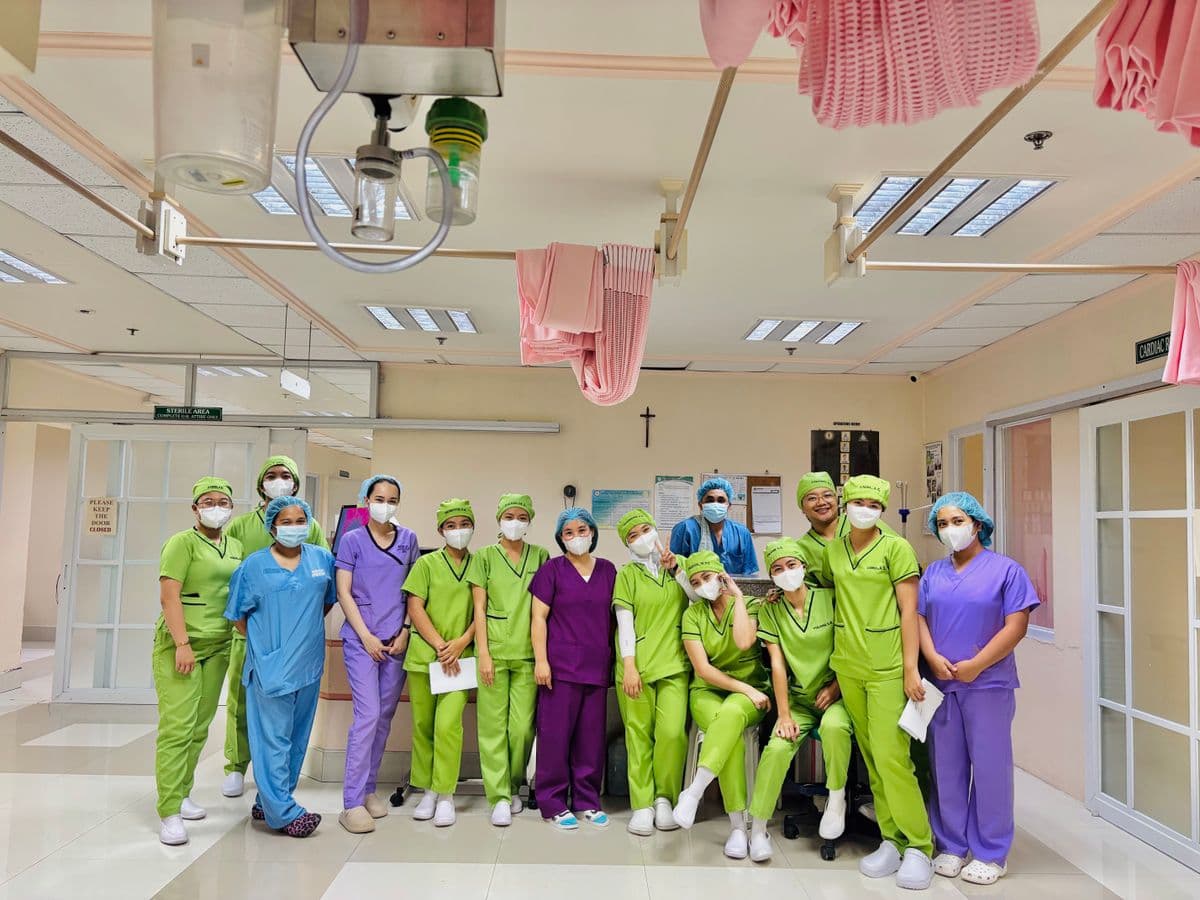
Nurses can find jobs through Triple Win, job boards or employers directly.
Where to find nurse jobs in Germany
Triple Win
Triple Win is a state programme that recruits nurses. It is run by the BA and the German development agency (GIZ). It has placed nurses since 2013. In October 2025 the GIZ listed these places it recruits nurses from: Kerala and Telangana (India), Indonesia, the Philippines and Tunisia. Placement, language preparation and integration support (help with settling in) are free for applicants. Language courses run from level A1 (beginner) to B1 in your home country.
You may still pay some fees at home. In the Philippines, for example, applicants pay fees to the DMW (the Philippine Department of Migrant Workers). They also pay other government contributions and their own medical exam. In India, applications go through Norka Roots, a Government of Kerala company. The BA says the Philippines process takes about 12 to 14 months from interview to departure. Your German level changes how long it takes.
Job boards
The Make it in Germany portal has a list of nursing jobs. It is the German government's website for skilled workers. The jobs come from the BA's own job board (Jobsuche), where you can also search directly. Most listings are in German. Search for "Pflegefachkraft" (qualified nurse) or "Pflegefachfrau/Pflegefachmann" plus a city.
Employer websites
Many hospitals and care groups post jobs on their own career pages. You can apply there directly, in German. Nobody stands in between.
Agencies, and one rule you must know
Fair agencies exist, and they charge nurses nothing. But Germany keeps a special list of 55 countries in the Employment Regulation (Beschäftigungsverordnung). The list is based on the World Health Organization (WHO) list of countries with a serious lack of health workers. Nigeria, Ghana, Pakistan, Bangladesh and Nepal are on it.
Do you live in one of these countries? Then only the BA may recruit you for a health or care job. Private agencies and employers may not. You can still apply yourself. You then sign a form. It confirms that you found the job on your own.

Most German employers expect your application in German.
How to apply
German employers expect an application in German, unless the advert says otherwise. Prepare:
- a Lebenslauf (CV) in table form, newest job first, with month and year for each job
- a short cover letter (Anschreiben) for each employer
- your nursing diploma and transcript (list of subjects and grades), ideally showing the hours of theory and practice
- your nursing registration or licence from your country
- letters from employers that describe your work and the wards you worked on
- your German certificate (for example from Goethe or telc, two exam providers)
Your CV should name your clinical areas plainly: intensive care, surgery, dialysis, elderly care. This helps employers match you to a ward. The recognition office will tell you which documents need certified translations. These are translations that are officially confirmed as correct.
If you are still learning German, see our guide to the German B2 exam. Our guide to financial support for recognition explains which costs public programmes may cover.
What a fair offer looks like
A fair offer is in writing. You can read it in a language you understand. It states:
- your job title and pay before recognition, and after it
- who pays for the recognition fee, the course or exam, the language course, the flight and the first housing
- whether you must pay back any of these costs if you leave early, and how much
- where you will work and who your contact person is
Ask about repayment clauses before you sign. Some contracts make you pay back course or travel costs if you leave early. If you do not understand a clause, get it checked first. We explain this in a separate guide on recruitment agencies.
On fees: private placement agencies are companies that find jobs for people. German law lets those in Germany charge job seekers at most 2,000 euros, including VAT (sales tax). The rule is in the Social Code, Book III (see Sources). They may charge only after a successful job placement, once a job contract is signed. They may never charge in advance.
Some agencies have the state-backed seal "Faire Anwerbung Pflege Deutschland" (Fair Recruitment Care Germany). They follow the employer-pays principle: the employer pays, and the nurse pays nothing. You can check certified agencies on the seal's website.
How long it takes
The BA's 12-to-14-month figure applies to Triple Win candidates in the Philippines, from interview to departure, while they learn German abroad. It is useful for that programme, but it is not a general timetable for every international nurse. Direct applications, recognition partnerships and applicants who already have the required German can take a different amount of time. Recognition also varies by state and by the completeness of your documents.
Once you are here, our guides to your first steps after arriving and bringing your family cover the next stage. For an overview of the nursing profession in Germany, see our nurses page.
You can get a free personalised roadmap for your own case at get2germany.com.
Get a personal offer for your next step
Tell us where you are on your way to working in Germany. We will get back to you with a personal offer, by WhatsApp or email.
Is it worth moving to Germany as a nurse?
That depends on your goals, your family and how much time you can give to German. You need B2 for the full licence, so plan the language first. Germany has clear legal routes for foreign nurses. Your timeline depends on your route, German level, recognition office and documents; the 12-to-14-month example belongs specifically to the Triple Win Philippines cohort.
Should I use an agency or apply directly?
Both work. Triple Win and agencies with the fair recruitment seal cost nurses nothing. Applying directly to hospitals is also free and gives you more control. Do you live in a country on the WHO list? Then only the BA may recruit you. So apply directly or through the BA.
When do I need B1 and when B2?
For the recognition partnership visa you need at least basic German (level A2). Some routes and some states expect B1. You need B2 for the full nursing licence, the Erlaubnis. Triple Win, for example, asks for B1 when you apply for the visa.
Do German employers sponsor nurse visas?
There is no sponsorship visa in German law. You apply for the visa yourself, usually with a job offer. Your employer can make it faster with the accelerated skilled worker procedure.
Can I work in Germany before my recognition is finished?
Yes. You can use the recognition partnership. Or you can come to Germany for the course or exam you were given. You work under supervision or in a limited role until you get the Erlaubnis.
Do Indian nurses have to pay an agency for a nursing job in Germany?
No. Triple Win for Kerala and agencies with the fair recruitment seal are free for nurses. If an agency in Germany charges you, the law limits the fee to 2,000 euros. You pay only after you get a job contract.
Is Austria or Switzerland easier?
Each country has its own recognition rules and language rules. This guide covers Germany only. Compare the official rules of each country before you decide.